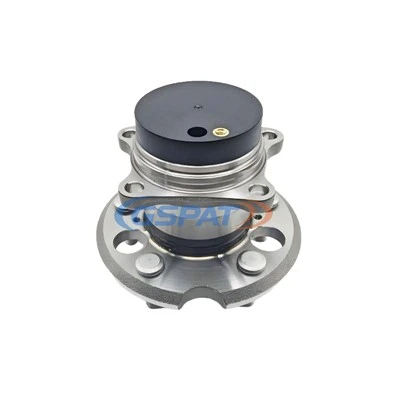
As an auto parts bearing supplier, I've seen firsthand how vehicle vibration can mess with auto parts bearings. It's a real pain in the neck for both mechanics and car owners, and it can lead to some serious problems down the road. In this blog post, I'm gonna break down how vibration affects auto parts bearings and what you can do to prevent it.
Understanding Vehicle Vibration
First off, let's talk about what causes vehicle vibration. There are a bunch of things that can make your car shake, like unbalanced tires, worn-out suspension components, or even a misfiring engine. When your car vibrates, those vibrations get transferred to the various parts of the vehicle, including the bearings.
Bearings are designed to support rotating shafts and reduce friction, but they're not built to handle excessive vibration. When the bearings are exposed to too much vibration, it can cause a whole bunch of issues, like premature wear and tear, damage to the bearing raceways, and even bearing failure.
How Vibration Affects Auto Parts Bearings
1. Wear and Tear
One of the most common ways vibration affects auto parts bearings is by causing wear and tear. When the bearings vibrate, the rolling elements (like balls or rollers) inside the bearing can move around more than they should. This increased movement causes the rolling elements to rub against the bearing raceways, which can lead to wear and tear over time.
As the bearings wear down, the clearance between the rolling elements and the raceways increases. This can cause the bearings to become loose and make a lot of noise. Eventually, if the wear and tear is left unchecked, the bearings can fail completely, which can be a major headache for car owners.
2. Fatigue Failure
Another way vibration can affect auto parts bearings is by causing fatigue failure. When the bearings are exposed to repeated vibrations, it can cause tiny cracks to form in the bearing material. Over time, these cracks can grow and spread, eventually leading to the complete failure of the bearing.
Fatigue failure is a serious problem because it can happen suddenly and without warning. One minute, your car is running fine, and the next minute, the bearing fails, and you're left stranded on the side of the road. That's why it's important to keep an eye on your bearings and replace them before they fail.


3. Lubrication Issues
Vibration can also affect the lubrication of auto parts bearings. Bearings rely on lubrication to reduce friction and prevent wear and tear. When the bearings vibrate, it can cause the lubricant to break down and lose its effectiveness.
If the lubricant breaks down, the bearings can start to overheat, which can cause further damage to the bearing material. In addition, without proper lubrication, the rolling elements can start to rub against each other, which can cause even more wear and tear.
Preventing Vibration-Related Bearing Problems
Now that we've talked about how vibration affects auto parts bearings, let's talk about what you can do to prevent these problems from happening.
1. Regular Maintenance
One of the best ways to prevent vibration-related bearing problems is to keep up with your car's regular maintenance. This includes things like getting your tires balanced and rotated, checking your suspension components for wear and tear, and changing your engine oil regularly.
By keeping your car in good condition, you can reduce the amount of vibration that the bearings are exposed to, which can help extend their lifespan.
2. Use High-Quality Bearings
Another way to prevent vibration-related bearing problems is to use high-quality bearings. At our company, we offer a wide range of high-quality auto parts bearings that are designed to withstand the rigors of daily driving.
For example, we have the 204000480AA Rear Wheel Bearing Hub Assembly Chery Tiggo 7 2019 Rear, the T11-3301210BA Wheel Hub for Chery, the 3213667/M11-3301210 For CHERY 2010-2014, the T11-3301210AB For Chery Tiggo 2004-2016 FWD Rear Hub, and the A13-3301030 /A133301030 High-Quality Rear Wheel Hub Bearing For Chery Fulwin ABS. These bearings are made from high-quality materials and are designed to provide long-lasting performance.
3. Monitor Your Bearings
Finally, it's important to monitor your bearings for signs of wear and tear. If you notice any unusual noises or vibrations coming from your car, it's a good idea to have it checked out by a professional mechanic.
A mechanic can inspect your bearings and determine if they need to be replaced. By catching problems early, you can avoid more serious problems down the road and save yourself a lot of money in the long run.
Conclusion
In conclusion, vehicle vibration can have a major impact on auto parts bearings. It can cause wear and tear, fatigue failure, and lubrication issues, all of which can lead to bearing failure. However, by keeping up with your car's regular maintenance, using high-quality bearings, and monitoring your bearings for signs of wear and tear, you can prevent these problems from happening and keep your car running smoothly.
If you're in the market for high-quality auto parts bearings, we'd love to hear from you. Contact us today to learn more about our products and services and to discuss your specific needs. We're here to help you find the right bearings for your car and to ensure that you get the best possible performance and reliability.
References
- Harris, T. A. (2001). Rolling Bearing Analysis. Wiley.
- Zorzi, M., & Boschetti, G. (2009). Handbook of Bearings. Springer.
- Gupta, P. K. (2002). Ball and Roller Bearing Engineering. CRC Press.